Web design
The site around your product — the pages people read before they decide whether to trust you with anything.
Who this is for
- A team of two to forty people with a product that works and a site that undersells it.
- A founder who has written the words but cannot make the page look like the product deserves.
- Anybody who has a designer’s file and no idea whether it survives being built.
Who it is not for
- Brand identity from scratch. I will use the logo and the type you have, and if you have neither I will pick something defensible, but this is not a naming and identity project and I would be pretending.
- Sites that are mostly editorial — a magazine, a publisher, anything where the design problem is fifty article layouts. That is somebody else’s specialism.
- A redesign where nobody can say what is wrong with the current one. That is an audit first, and it costs less.
How I work
- 01
One conversation about what the site is for
Not a discovery phase. Forty-five minutes on who arrives, what they are deciding, and what currently stops them. If we cannot name the decision the page exists to move, the design cannot be judged and neither of us should start.
- 02
The structure before the surface
What pages exist, what each one says, in what order. Plain text, no layout. This is the cheapest place to be wrong and the one most projects skip, which is why so many redesigns end up as the old site with new colours.
- 03
One page, designed properly
The hardest page, usually the home. Real content, both themes, on a phone and on a laptop. You approve a real thing rather than a direction, and everything after it inherits the decisions.
- 04
The rest, then the handover
The remaining pages, plus the states nobody remembers to ask for — empty, error, loading, long name, no image. Handed over as a file your developer can build from, with the type scale and the spacing written down rather than eyeballed.
What you end up with
- A Figma file with every page, at two widths, in both themes.
- The states that break real sites: empty, error, too-long, missing image.
- Type scale, spacing scale and colour as named values, so the build cannot drift.
- A written note per page saying what it is for, which is the part that survives after the file is out of date.
Where I have done this
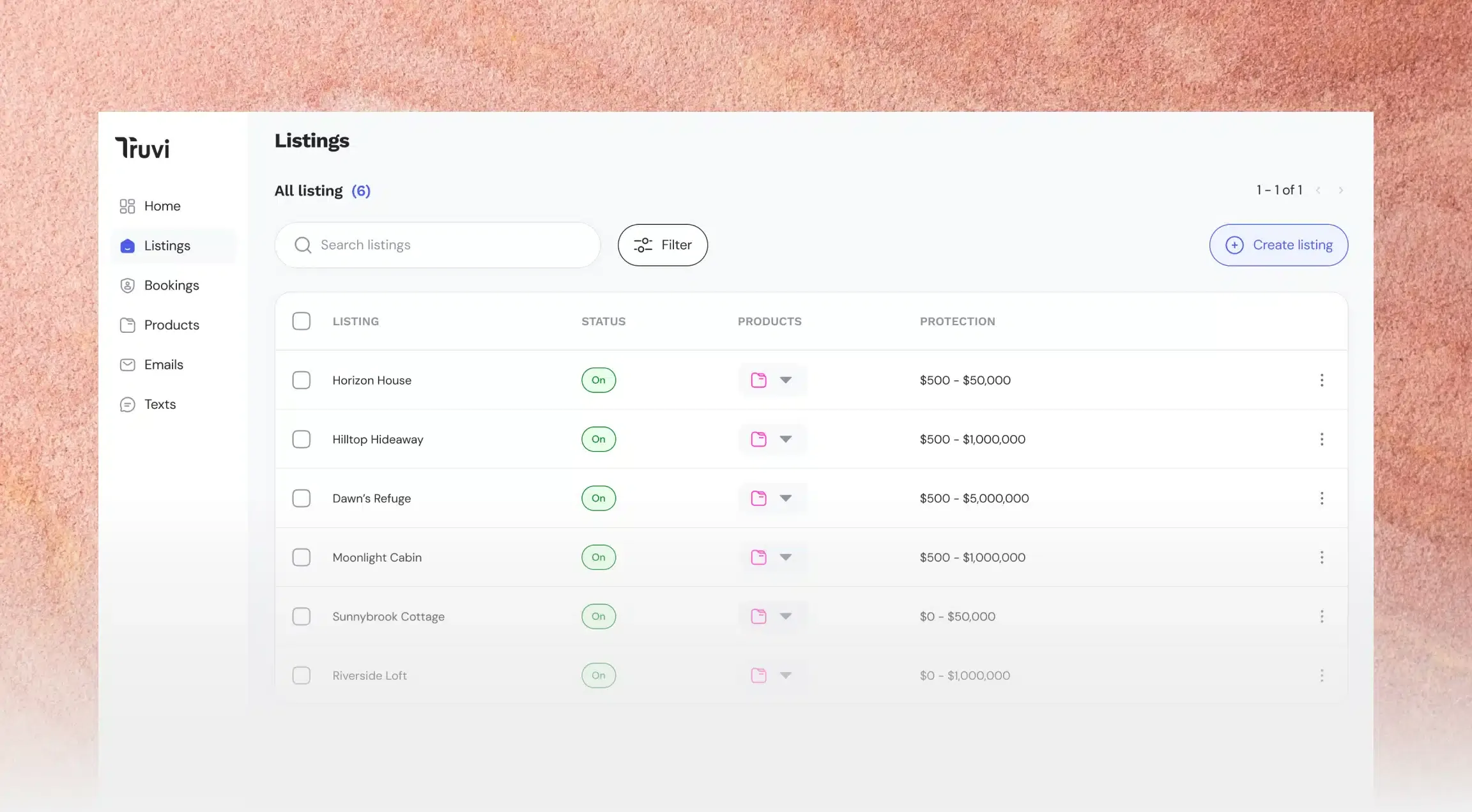
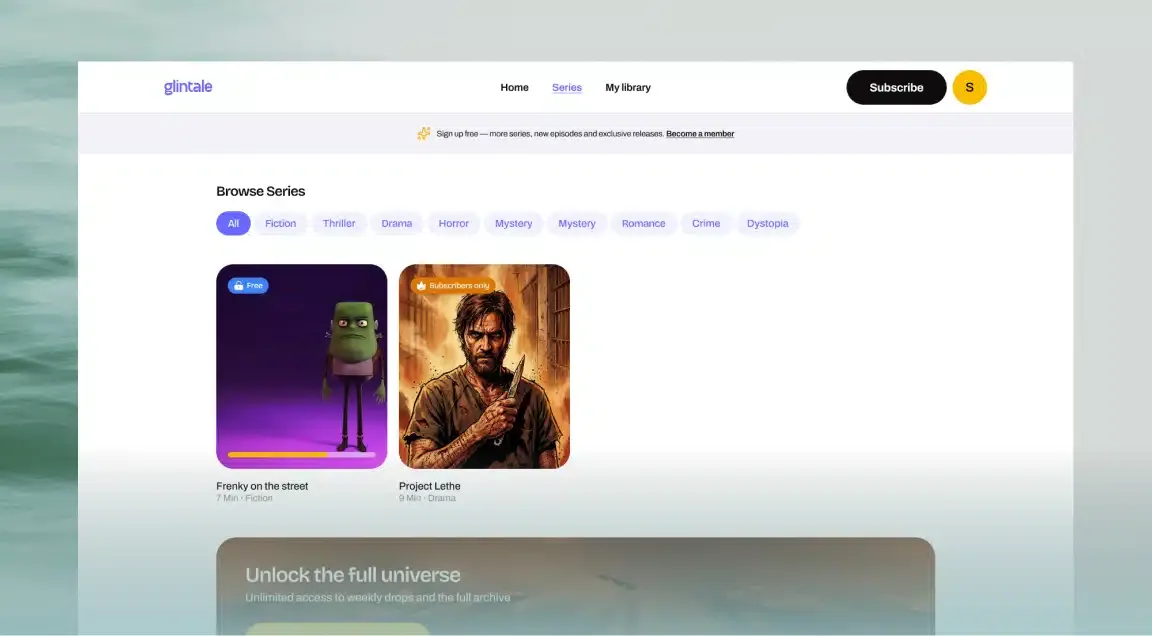
Questions
Do you build what you design?
Usually, and it is the reason the files are worth having. A design handed over by somebody who has never built one tends to contain three or four decisions that are expensive or impossible, and nobody finds out until a developer is halfway through. If you have your own team I will hand over and answer questions while they build; if you do not, see web development.
How long does it take?
A small site — five to eight pages — is usually three to four weeks of calendar time, of which maybe half is me waiting for content or a decision. A larger one with a product surface in it runs longer. I give you a real range after the first conversation, not before it, because a range given before I know what the site is for is a number I invented.
What if I already have a designer?
Then you probably do not need me for this, and I will say so. Where I am occasionally useful alongside one is reviewing a file before it goes to development, which is a website audit rather than a design project and costs a fraction of one.
Can you work from our brand guidelines?
Yes, and it makes the project shorter. What I will not do is treat a guideline as a reason to ship something that does not work — if the brand type is unreadable at body size I will tell you, show you the alternative, and let you decide. You get the argument, not a silent override.
Tell me about
your project.
What you are building and what is in the way. Five minutes of typing, and a written reply within five working days.
Start a projectIf it is not a fit, I will say so in the reply and tell you why.