
Diceando
Letting someone else choose where you go
A site that picks your destination when you have the days, the money and the urge, but no idea where. The most useful button I designed this year says "I don't mind".
You have a few days off. You have some money put aside. You want to go. And you spend a whole afternoon with twenty tabs open, comparing beaches you do not know with cities you have heard of, deciding nothing. In the end you go where you always go, or you do not go.
You are not short of information. You have too much. What you are short of is someone saying "go here" with a bit of judgement. That is Diceando: a site that asks you a few questions and picks your destination.
How it works
You arrive and it already knows where you are leaving from. Then one question per screen. How long: a getaway, a week or more. When: you tap your departure day on a calendar. What you feel like: sun, sea, mountains or a city. How much you want to spend, with a slider that tells you live how many destinations fit.
Every question has an option that I think is the most important thing in the product: "I don't mind". People who do not know where to go often do not know whether they prefer beach or mountains either, and forcing them to choose hands back the very problem they came to get rid of.
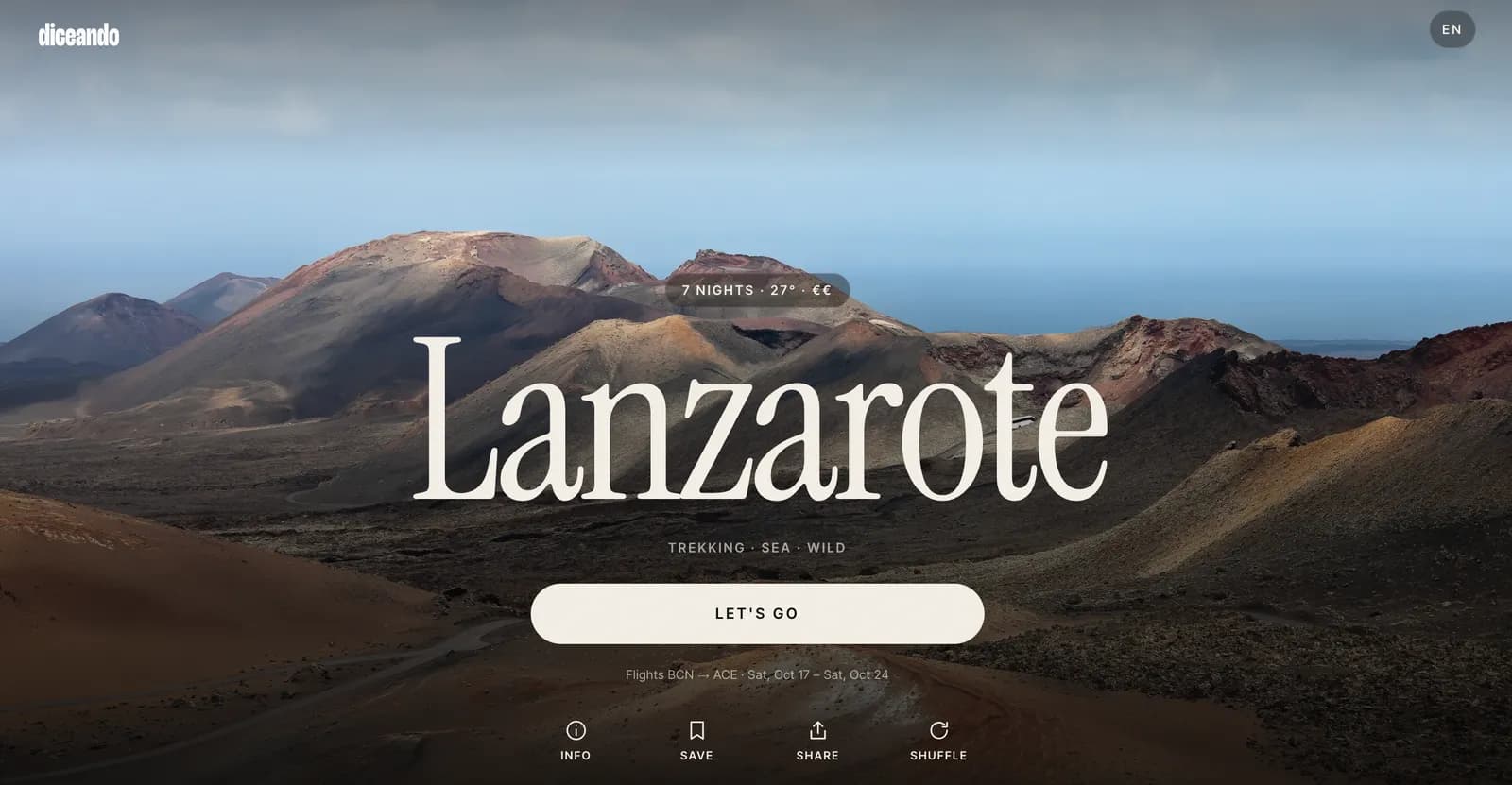
Then comes the part I enjoyed most. A dotted globe draws an arc from your city and the site thinks: "OK." "Let us think." "Found it." And there it is. Lanzarote, seven nights, 27 degrees. Trekking, sea, wild.
Those seconds of pause are theatre, I know. The calculation is instant. But without them the result felt like a filter, and with them it feels like someone chose it for you. It is the difference between a search and a recommendation. And if you are not convinced, there is a button to roll the dice again.
How it makes money, or tries to
It is the only one of my projects with a clear business model from day one. Diceando is free and lives on affiliate links: if after choosing a destination you book the flight, the stay or an activity through its links, I get a commission.
The site says so itself, right under the links. It felt like the minimum: if someone recommends a place and earns money when you go, you have a right to know. For the same reason, the prices I show carry a "≈". They are estimates to give you a sense, not the fare for your dates, and I did not want them to look like anything else.
The thousand-page bet
An affiliate product lives on traffic, and traffic without an ad budget comes from search engines. So besides the tool there are destination guides, getaways from each city and a page for every month of the year, in five languages.
Here, going big from the start makes sense, because it is the model. But it is still a bet: search takes months, and in the meantime you do not know whether you opened a thousand doors or a thousand doors nobody opens. And with that much volume, details slip in that have to be checked one by one, because they are exactly what makes someone stop trusting a recommendation.
What is not there yet
"With friends". The button is there, but for now it says "coming soon": you send a link, everyone answers, and Diceando finds the place that works for all of you. I think it is the best idea in the product, because deciding where to go as a group is even worse than deciding alone. And it is exactly the one I left for later, because it was the one that took longest.
What I am taking from it, so far
- That sometimes the best service is not giving you more options but taking them away.
- That pacing is product too. Three seconds of "let us think" change how the result feels.
- That having a business model from day one is a relief, but it does not spare you the hard question. It only changes it: it is no longer "how do I charge?", it is "will anybody come?".
Screenshots
More work
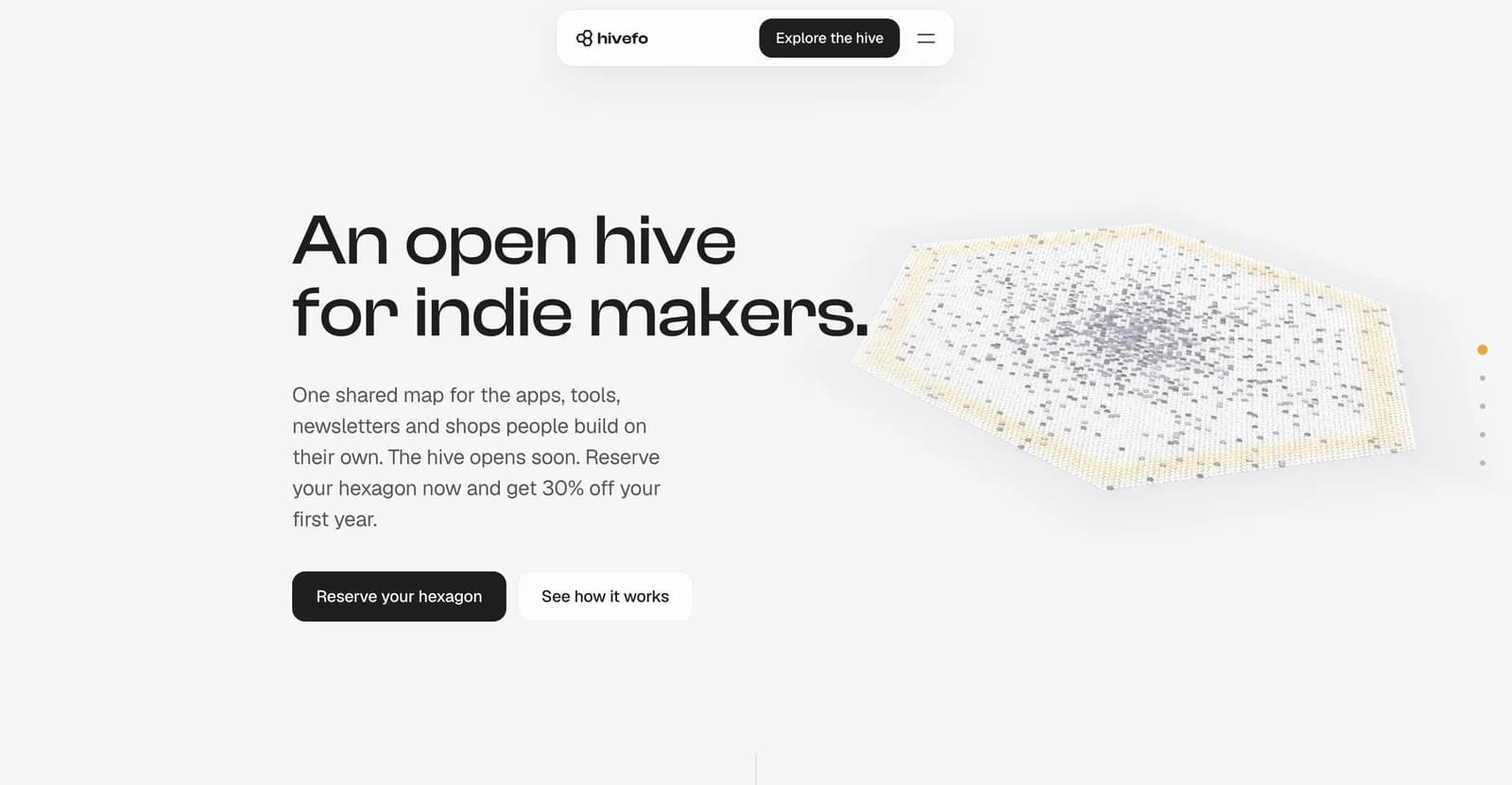 HivefoReservations openA shared map of hexagons for independent projects
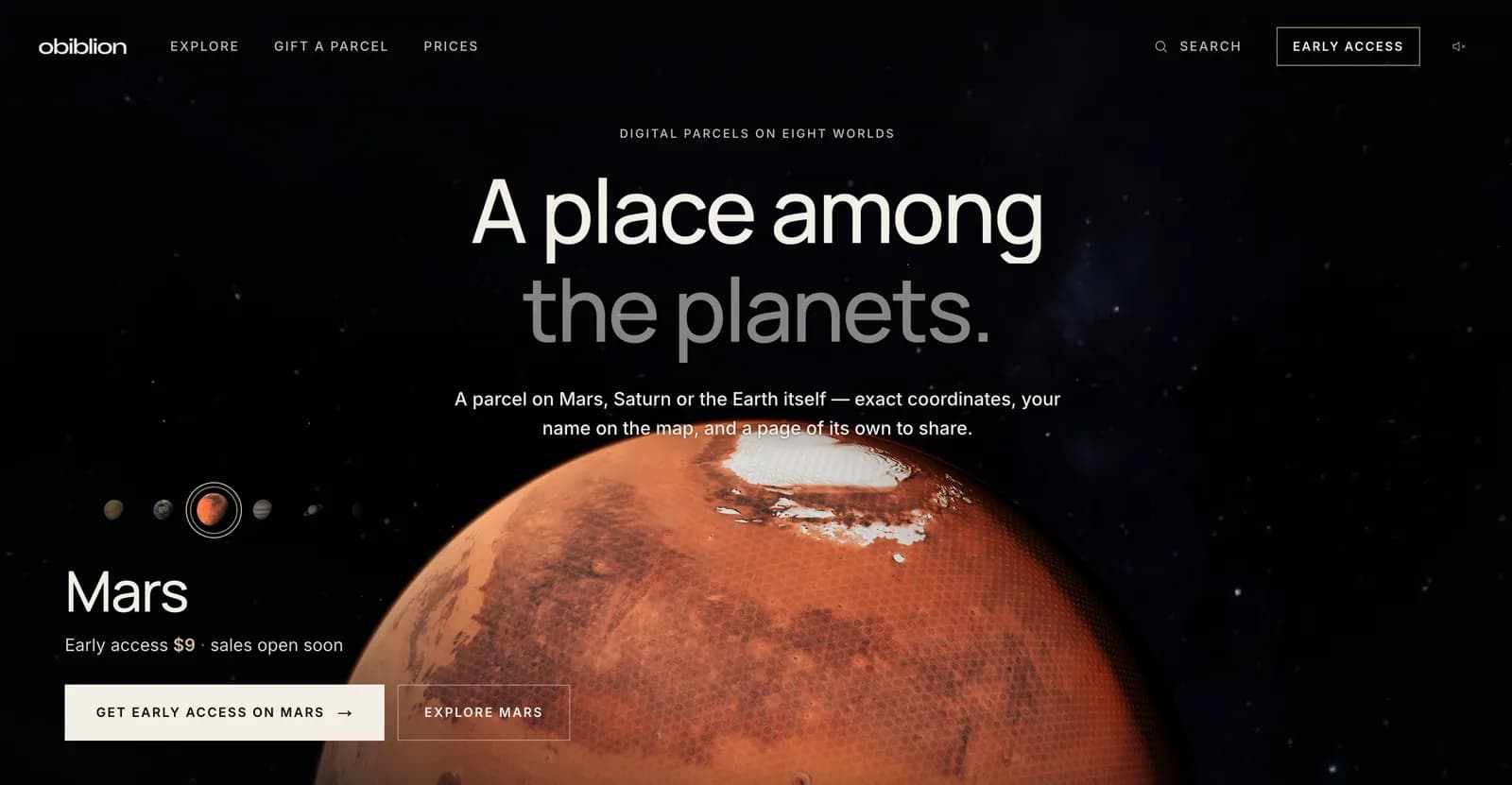 ObiblionWaitlistDigital parcels on eight planets, with your name
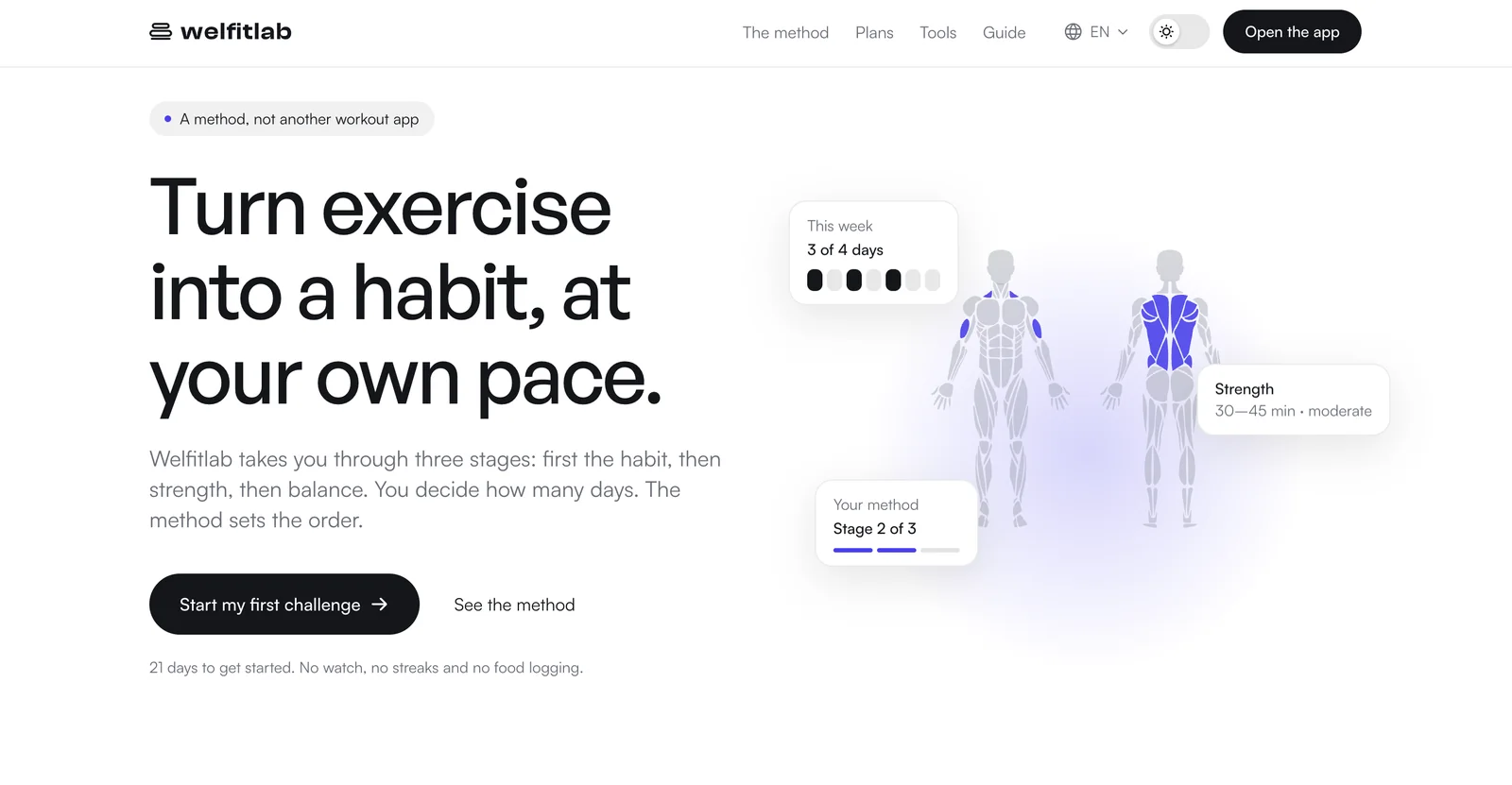 WelfitlabLiveA three-stage method to make exercise stick
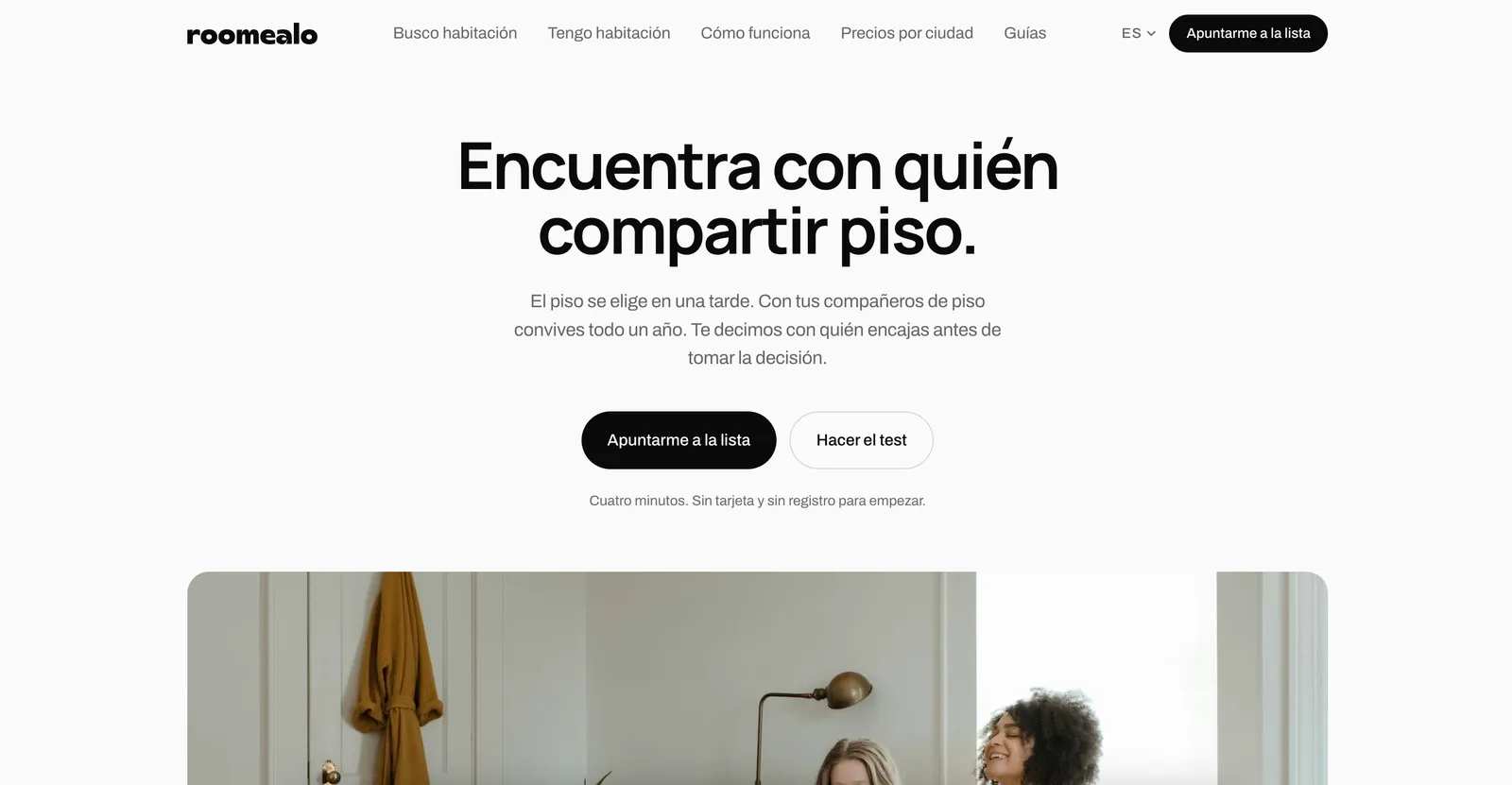 RoomealoWaitlistFlatmates matched by how you live, not by price
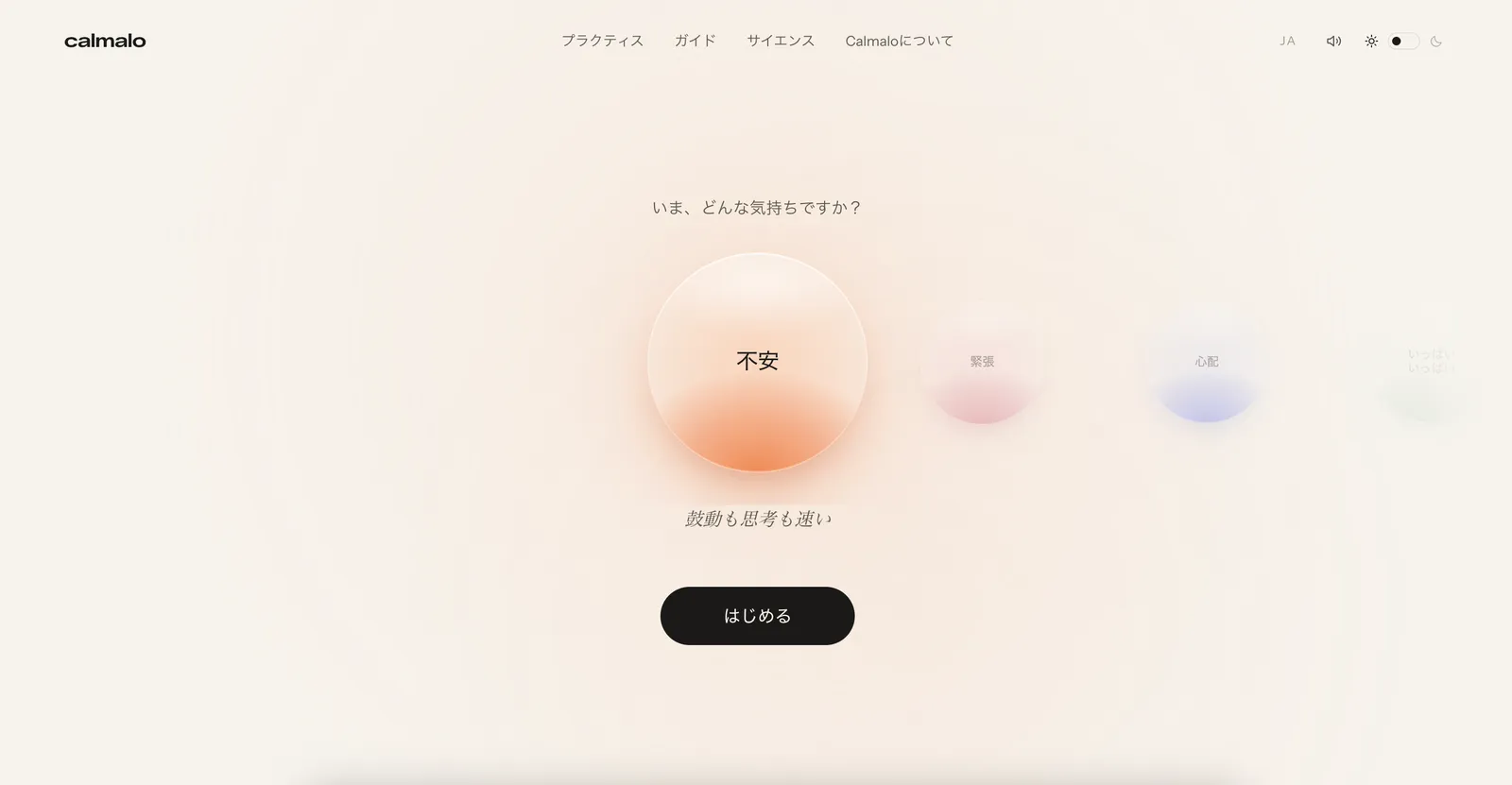 CalmaloLiveFive minutes of guided breathing when anxiety arrives