
Hivefo
A map that is only worth something while it is alive
Nearly ten thousand hexagons, one per project, for the things people build on their own. It starts from an idea from 2005, and from asking what broke afterwards.
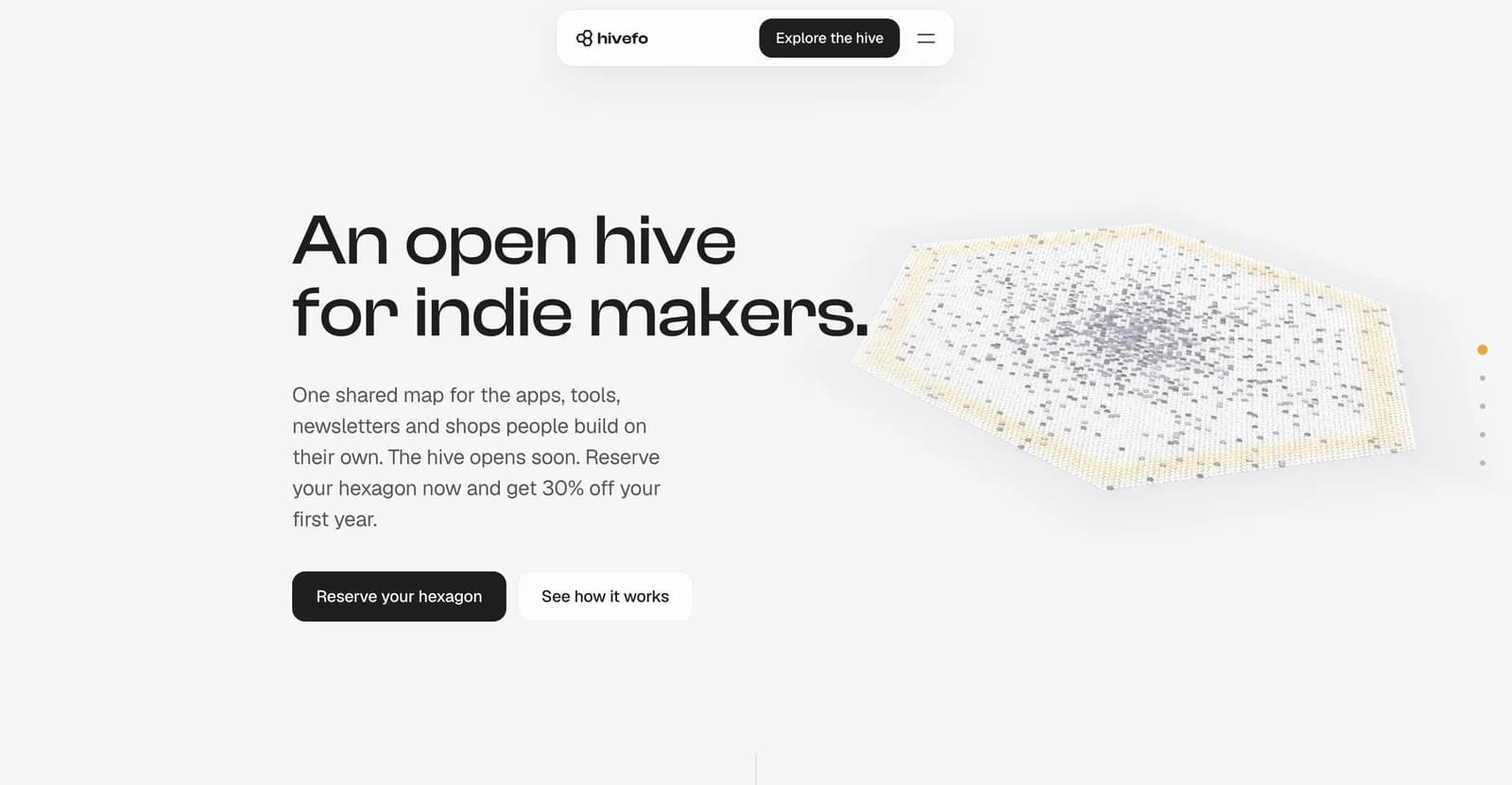
You finish something. An app, a tool, a newsletter. You publish it and nothing happens. Not because it is bad, but because nobody knows it exists. And the places where you show what you made tend to work the same way: one day of attention, a list sorted by votes and, the day after, page four.
Hivefo is another way of being there. One map of 9,919 hexagons. Each one belongs to a project, carries its logo and links to its website. There is no ranking of the day and there are no votes. You are in a place, with neighbours, and tomorrow you are still there.
Where it comes from
The idea is not new and I would rather say so. In 2005 an English student sold a million pixels for a dollar each and filled the page in a few months. Everybody remembers that part. I was interested in the other one: what happened next.
What happened is that it was paid for once and left alone. Years later, around 40% of the links led nowhere. Anyone who visits today is looking at a half-erased photo of 2005. And a block of ten by ten pixels could not say anything: a colour, a few letters, no page behind it and no way of knowing whether anyone clicked.
What I changed
Hivefo keeps what worked: a shared map, a fixed number of places and a price you understand the first time. And it changes what broke.
A hexagon is yours for a year. Renew it and it stays yours. If you do not, it goes back on the map. It is the least showy decision and the one I care about most: the hive has to be a picture of what exists now, not of what once did.
One per website. Nobody can buy a whole wall. Every hexagon is a different project, big or small.
And behind every hexagon there is a page: your name, your link, the visits, the clicks and where you rank in your zone. Also who your neighbours are, which is a detail I like. Choosing a spot next to projects like yours puts you in front of the right people.
Pricing the centre
The map always opens on its centre, so whatever is near the centre is seen sooner and more often. Out of that come four zones and one price per zone, from 19 to 990 dollars a year. There are nineteen hexagons in the centre. On the edge, more than seven thousand.
Every zone includes the same things. The only thing that changes is where you are. That seemed cleaner to me than inventing plans with features cut out.
The total is not a round number because it is not one: 9,919 is what you get when you surround a hexagon with fifty-seven rings. I like that the figure comes from geometry and not from a slogan.
What it does not promise
There is a question everyone asks when they pay for a link: whether it will help them rank. The answer is written on the home page: no, and we will not pretend it does. Links are marked as sponsored, which is what search engines ask for when a link is paid. What you buy is being seen and being clicked.
Saying so costs me an easy sales argument. But a product that depends on people trusting the map cannot start with a half-truth.
The problem of an empty map
This is where it gets hard. A map full of projects is a place you want to walk into. An empty map is a grid. And every map starts empty.
What I did was not open yet. Hivefo is taking reservations: you choose your hexagon, confirm it by email, and nobody pays anything until the hive opens. Whoever reserves now gets 30% off the first year.
Meanwhile, the hive is shown as it is: empty, with its four zones in plain view. I would rather people see the whole grid and know it is coming soon.
What I did too early
Hivefo already has a journal with half a dozen articles on where to show a project when there is no budget for ads. And a 3D scene on the home page. There is a logic to it, because without content nobody finds you. But it is also polishing the lobby of a building that has no neighbours yet, and it is a pattern I know well by now.
What I am taking from it, so far
- That there is nothing wrong with starting from an old idea if you ask why it broke. The valuable thing about that page was not the format, it was the moment. The format is what needed fixing.
- That yearly renewal looks like a payment term and is really the product decision: it is what keeps the map alive.
- That a shared map has the same cold start as a marketplace. The first ones in take the most risk, and they have to be treated that way.
The interesting part comes now: what the hive looks like the day it opens, and what happens with the first neighbours.
Screenshots
More work
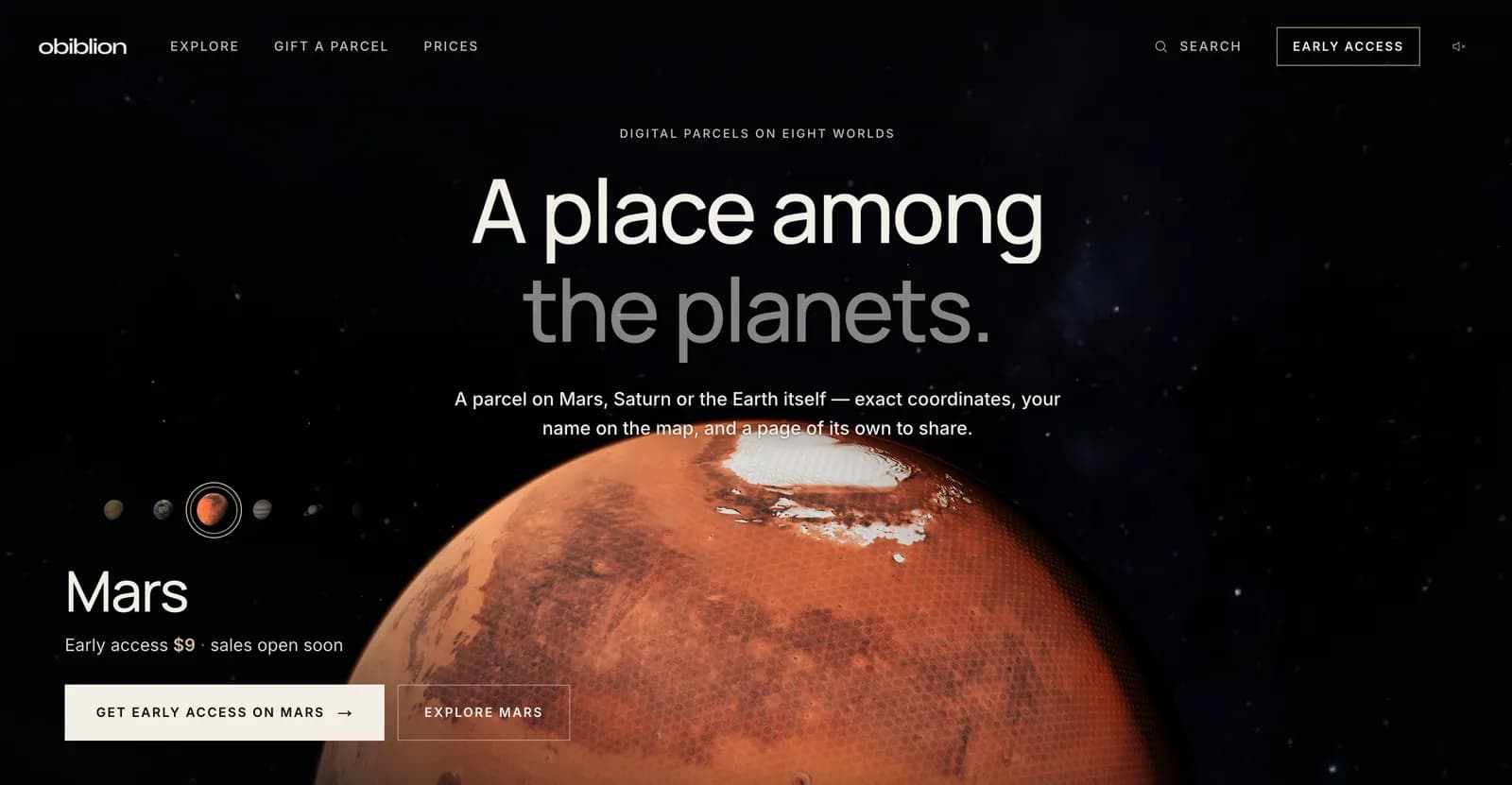 ObiblionWaitlistDigital parcels on eight planets, with your name
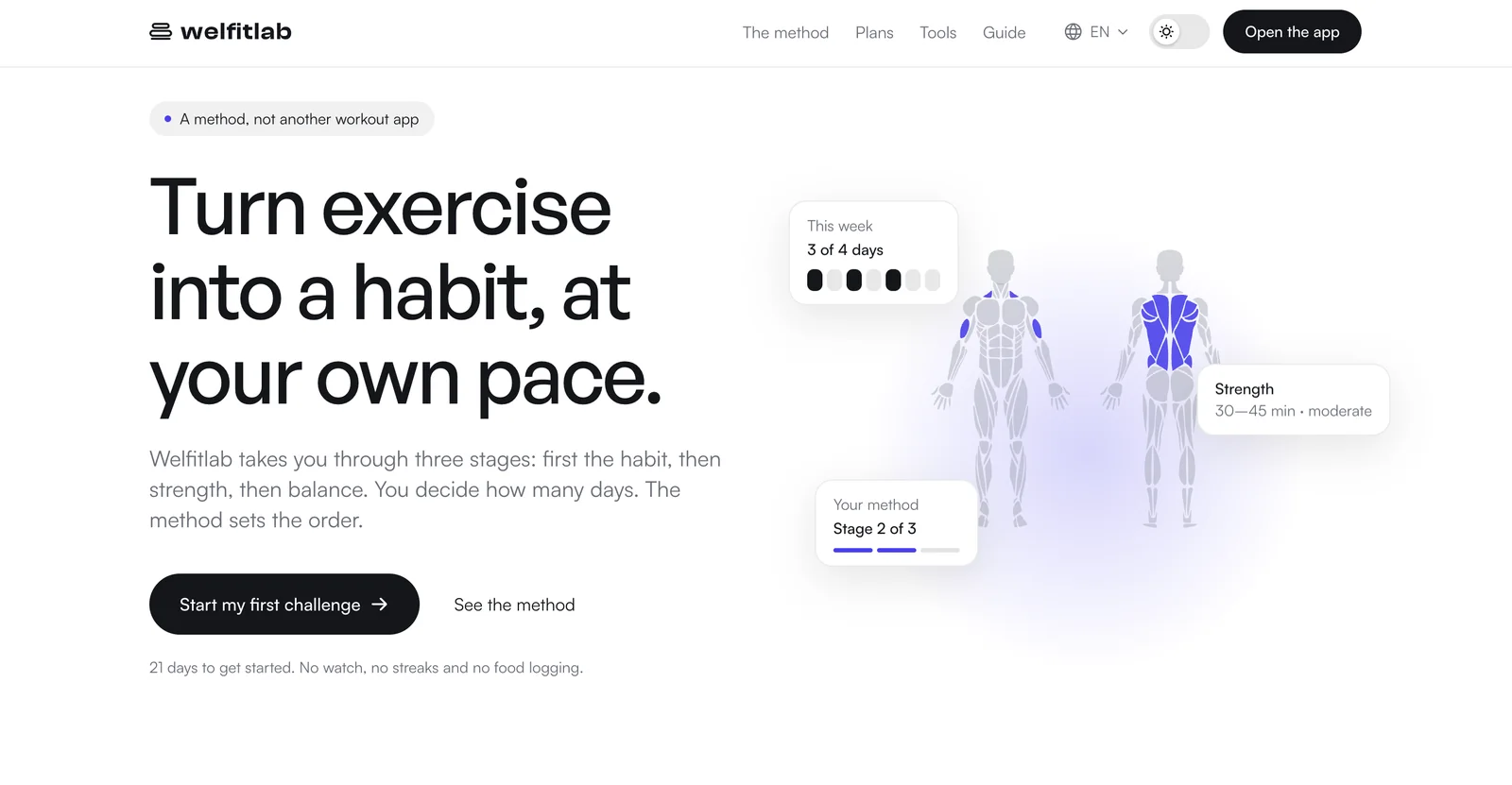 WelfitlabLiveA three-stage method to make exercise stick
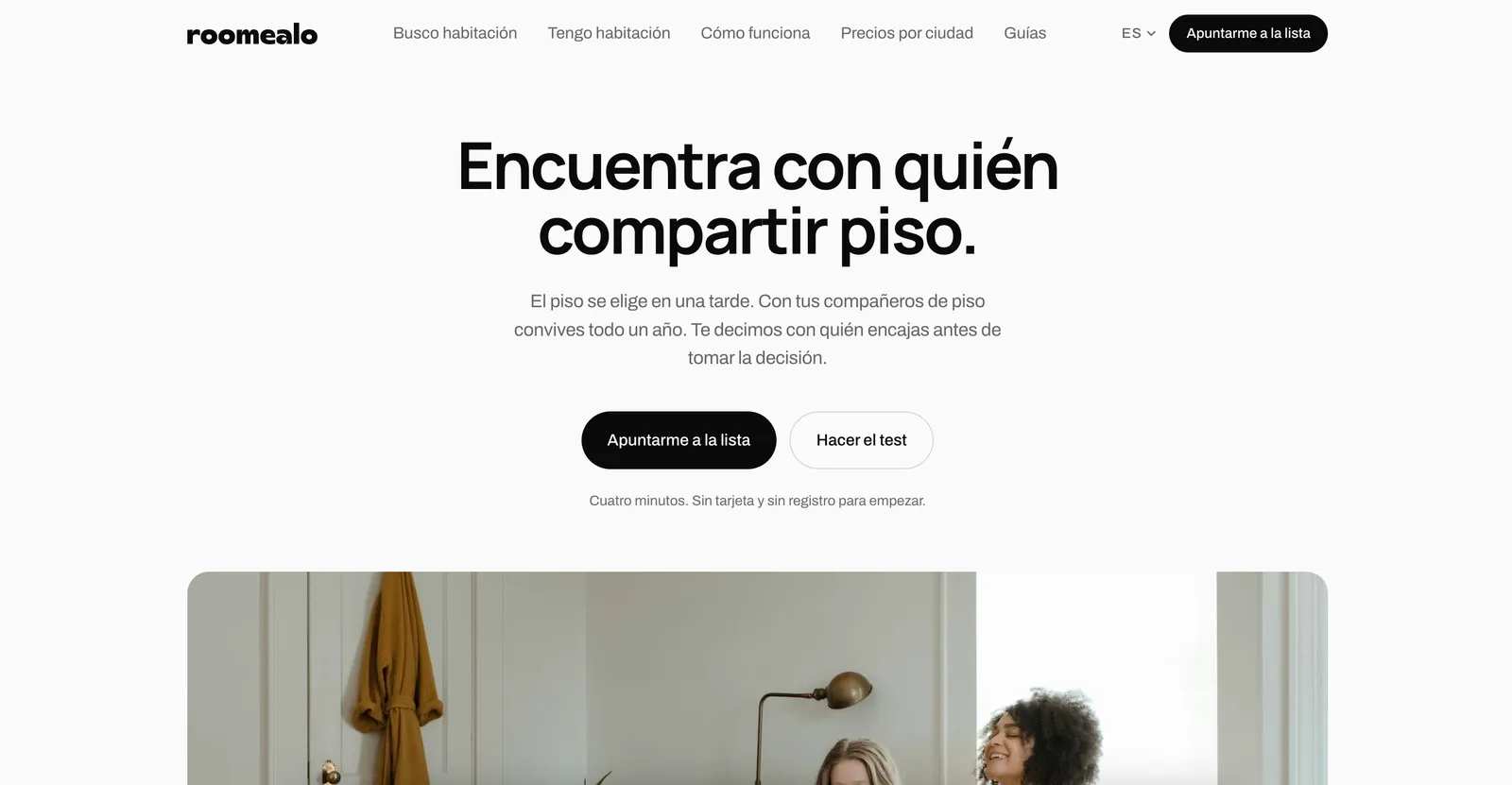 RoomealoWaitlistFlatmates matched by how you live, not by price
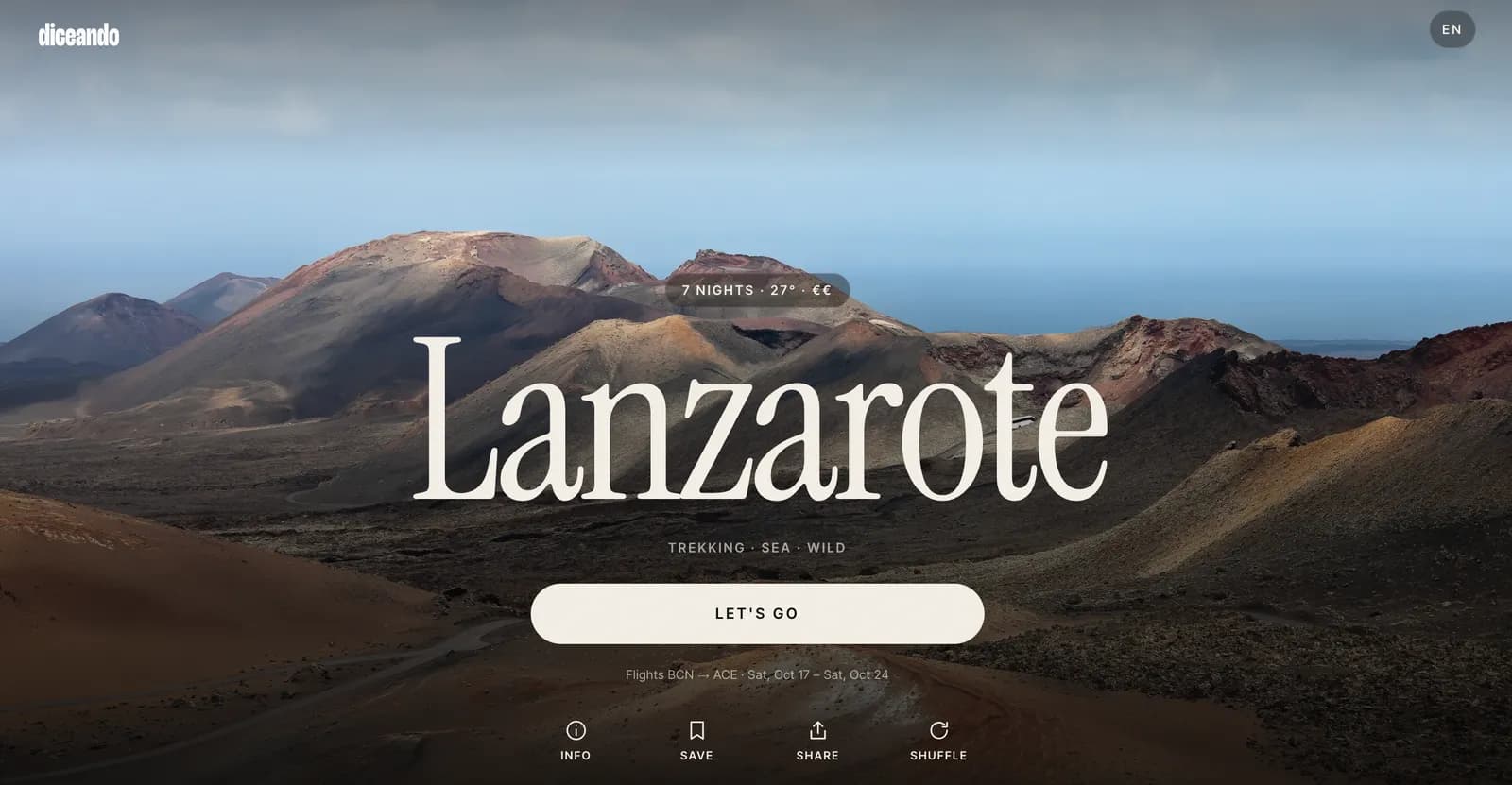 DiceandoLiveA few questions, and it picks where you travel
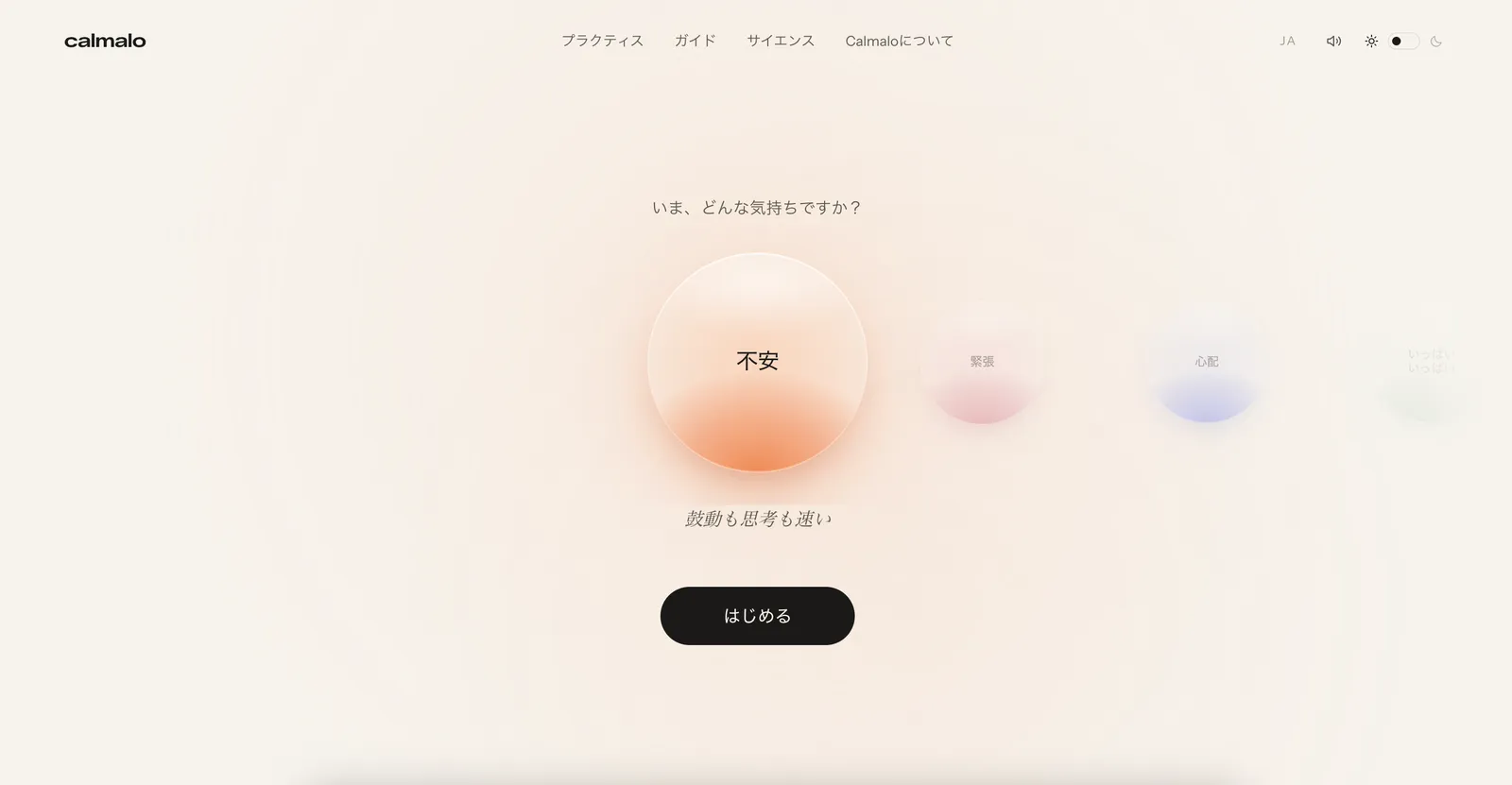 CalmaloLiveFive minutes of guided breathing when anxiety arrives