
Roomealo
You choose a flat in an afternoon. You live with it for a year.
A four-minute test to know who you will share a kitchen with before you sign. And the problem of starting something that needs both sides at once.
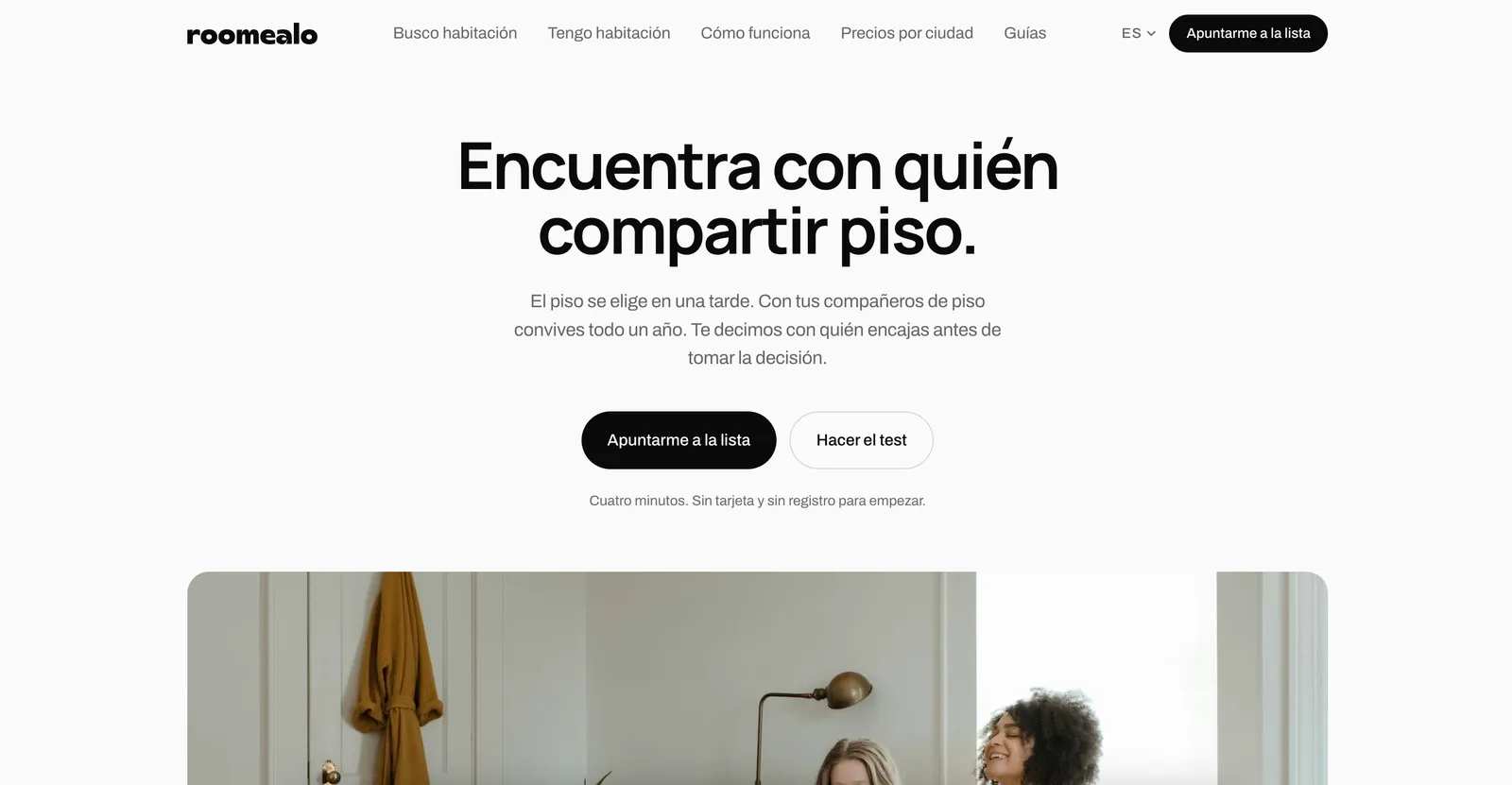
Looking for a room in a big city goes roughly like this. You message thirty listings, three reply, you see two, and in a twenty-minute visit you decide who you will share a kitchen, a bathroom and the quiet with for the next year. You know the rent, the size and whether there is a lift. About the people, nothing.
The other side is no better. You post a room and get forty identical messages. You are not short of candidates. You are short of knowing which one will leave the dishes in the sink for three days.
Roomealo comes from a line we had written down long before we had anything: you choose a flat in an afternoon, you live with the people for a year. I build it with a partner, and it is the only one of these projects where I am not alone. It shows, in a good way: there is someone to stop you when you fall for a screen.
The idea
Instead of sorting rooms by price and size, Roomealo sorts people by what living with them is like.
You take a test of about four minutes, without signing up. They are not abstract questions, they are situations. I do not ask whether you are tidy, because everybody says yes. I put this in front of you: "The dishes have been in the sink since yesterday. They are not yours." And you tell me what you do.
Out of that come eight dimensions and a profile, which was the part I enjoyed writing most. Quiet Nest, "home is for resting". Discreet Owl, "you live at night, and quietly". Balancer, "neither library nor afterparty". Fluid, "we will see as we go".
The part I care about most
A fit percentage is not much use. An 86% tells you nothing. So every comparison shows three things: where you fit, what to watch for, and what you should talk about before signing. That last one is a concrete question to ask on the visit: "How often is it fine for someone to stay over?"
I like it because it does not hide the friction. It does not try to convince you that you will be best friends. It hands you the awkward conversation before it becomes a problem.
And a couple of decisions nobody sees. Noise and cleanliness weigh more than the rest, because that is what people really argue about. And if three people already live in the flat, we compare you with all three and the worst fit is what counts, not the average. A flat does not break on the average.
The two-sided problem
This is where it gets hard, and it is a problem we knew perfectly well and walked into anyway.
Roomealo needs people looking for a room and people offering one. In the same city, at the same time. Without one, the other has nothing to do. It is the chicken and egg of every marketplace, and no amount of design solves it.
What we did was not open yet. Roomealo is on a waitlist: you sign up, say whether you are looking or offering, and in which city. We will open city by city, first where most people sign up. Let the list say where to start, instead of deciding it from a desk.
Meanwhile, the profiles you see on the site carry a label: "Sample data". I would rather say so plainly than have someone think there was a real flat behind them.
What I did too early
Roomealo is already in five languages, with city pages and guides for the visit. There is a logic to it, because that is how someone finds you when they are looking for a room. But it is also building the whole house before knowing whether anyone wants to come in, and it is a pattern I recognise in more than one project.
What I am taking from it, so far
- That the good question is not "are you tidy?" but "what do you do with these dishes?". Asking about situations instead of opinions works as well in a test as it does in an interview.
- That a marketplace is not launched, it is started. And starting it has nothing to do with the product.
- That the most valuable thing in Roomealo may not be the percentage, but the question you take to the visit.
The interesting part comes now: which city opens first, and what happens when two strangers write to each other for the first time through something we made.
Screenshots
More work
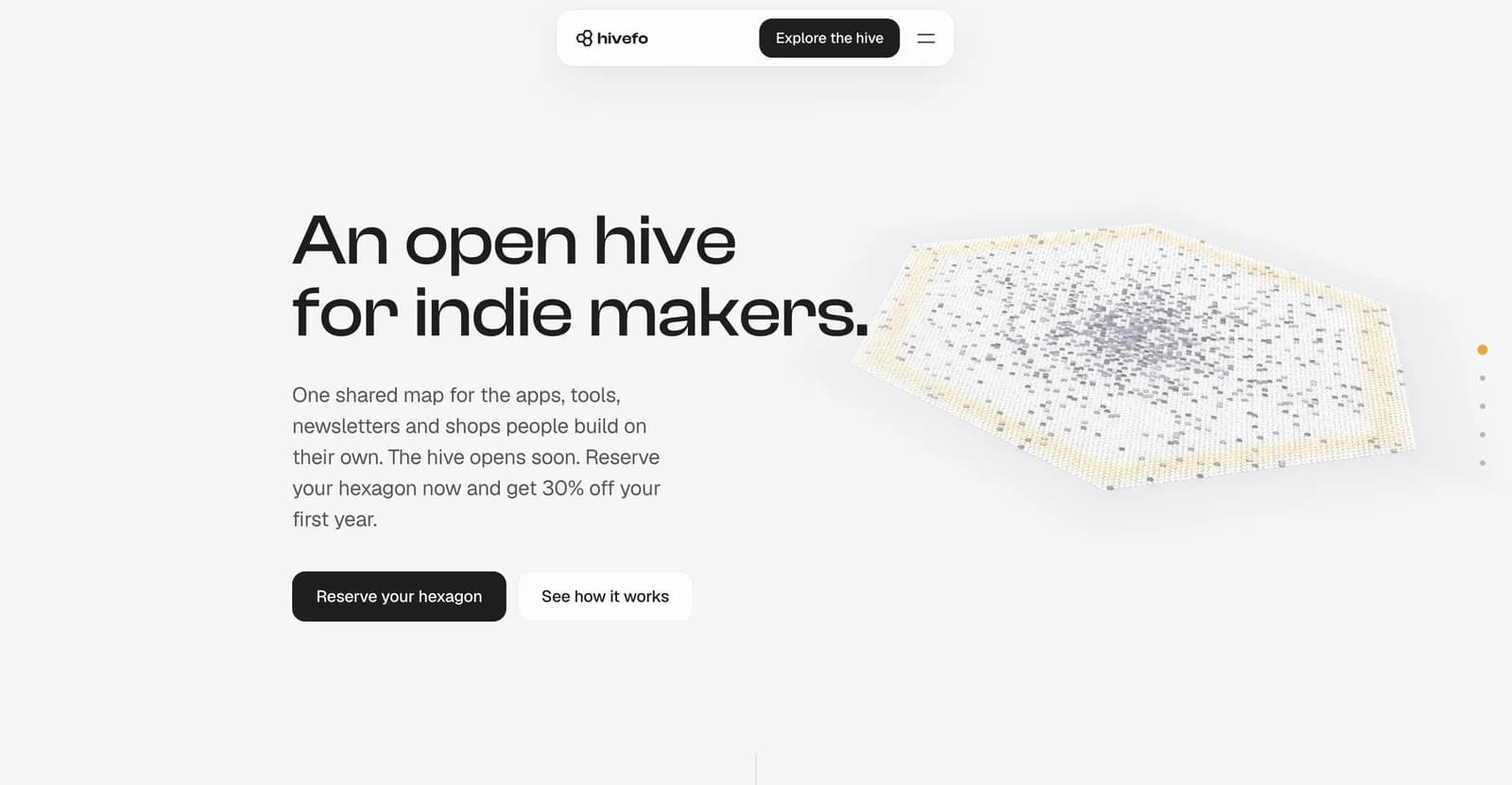 HivefoReservations openA shared map of hexagons for independent projects
 ObiblionWaitlistDigital parcels on eight planets, with your name
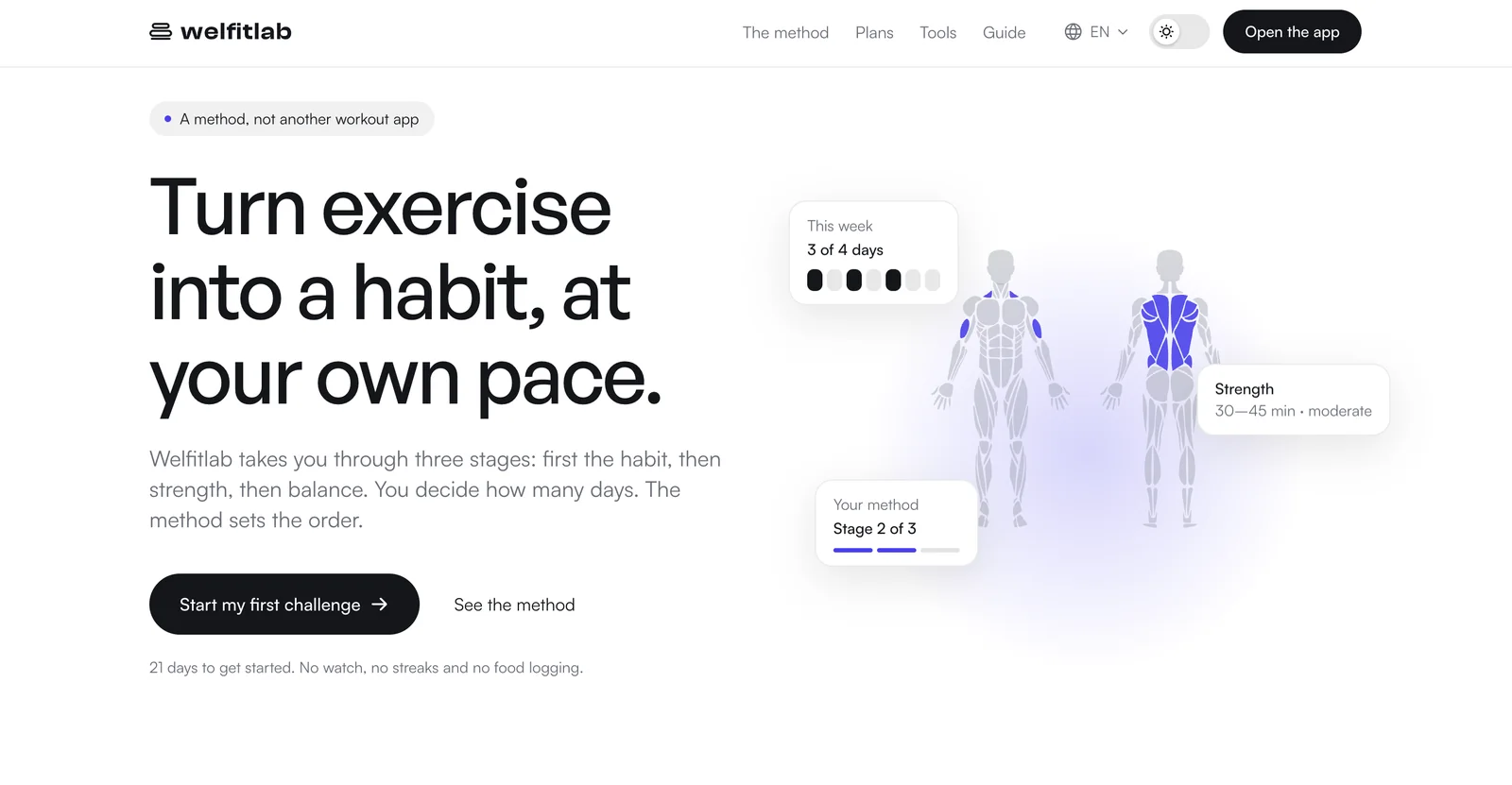 WelfitlabLiveA three-stage method to make exercise stick
 DiceandoLiveA few questions, and it picks where you travel
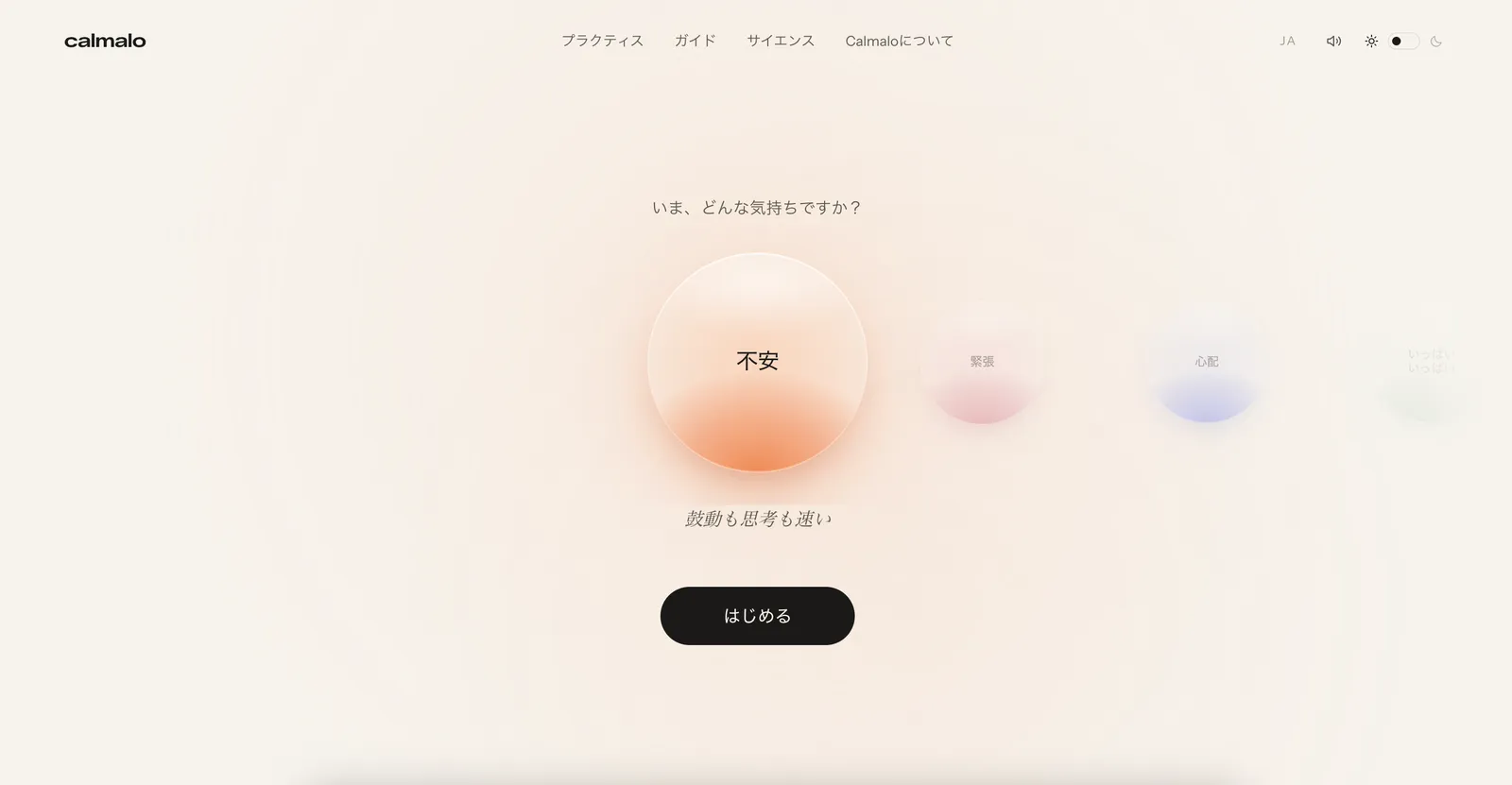 CalmaloLiveFive minutes of guided breathing when anxiety arrives